Introduction
You have probably experienced the same thing when attempting to purchase land or develop property to conduct business in the country, the paperwork and approvals are very difficult. The zoning departments, environmental agencies, land registries and tax offices can all make one confused in the red tape.
This article dissects what a Government Coordination Service is in real life, what to avoid and how to come to terms with such processes.
What does government coordination mean?
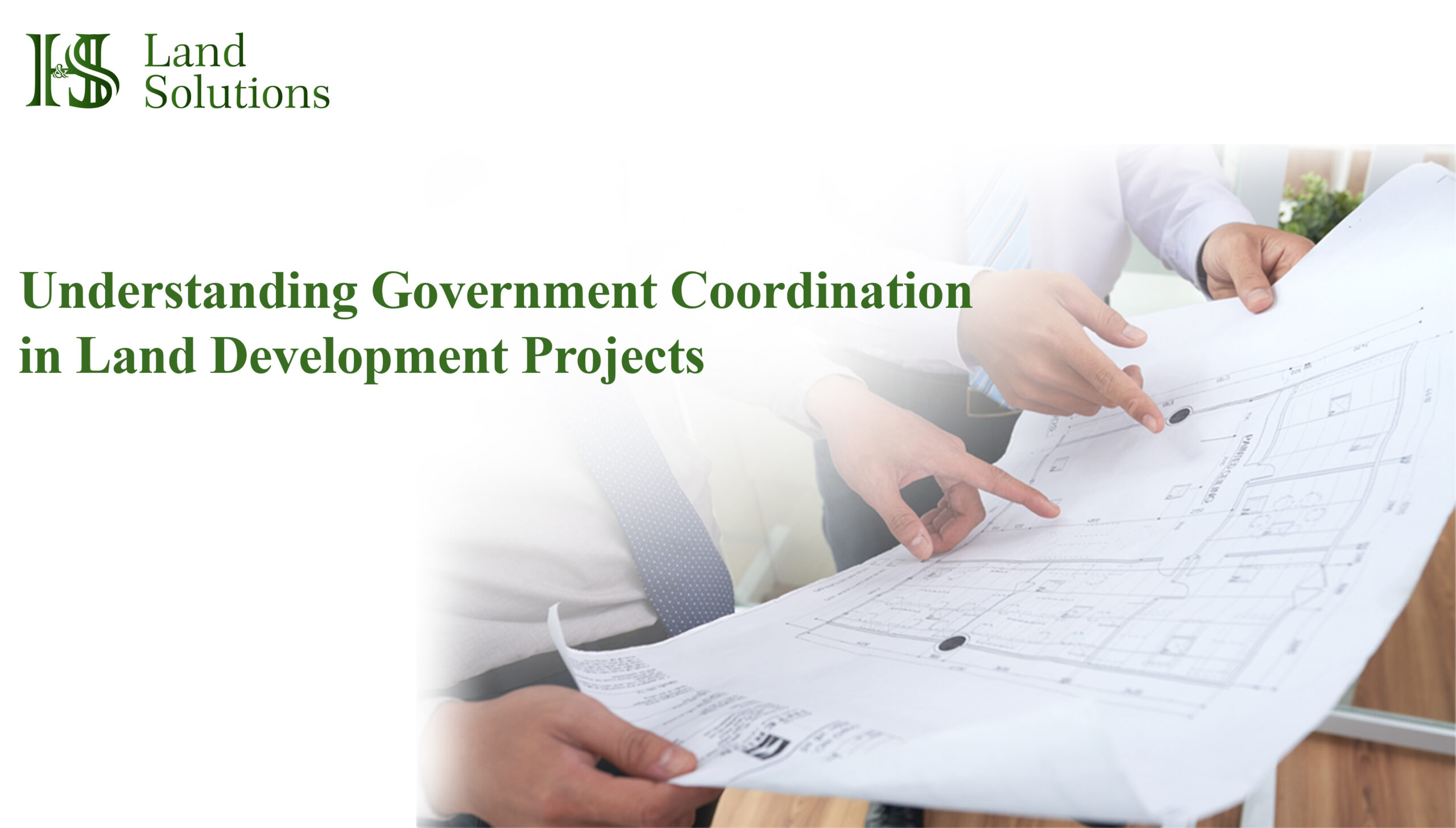
All it means is that a Government Coordination Service basically assists in all the dealings of your project with the different offices of the government that must approve of your project. This may involve having a minimum of two to twenty departments depending on the location and the type of building you are doing.
The thing is, everything has its forms, timeframes and requirements in each office. What one department may find senseful may have to be explained in a different way to the other department. It is at this point that it becomes tricky, and the reason why so many businesses consider it valuable to have someone who specializes in such relationships.
Reality of Working with Government Processes
1. The Waiting Game
Admittedly, government approvals are not quick. Sometimes a lot of time. Though it is advisable to be organized and keep your paper work in order, legal waiting periods and review procedures are beyond anyone to rush, however much they give you a promise.
Realistic perspective entails scheduling delays, making contingent schedules, and being tolerant when things are slowing down at a slower pace than you wish.
2. Documentation Needs to Be Right
A lost document or wrong information on a form will cost you weeks or even months. The right Land clearance documentation is needed here-in this is basically the paper trail of any proof that your land is legally available and not disputed in any way and encumbranced.
3. Common requirements include:
- Proof of land ownership and title history
- Certificates indicating zoning what you can build.
- Environmental evaluations (on some projects)
- Tax clearance certificates
- Proper surveys and boundary maps.
By ensuring you do your Land clearance papers correctly in the first instance, you will not need to make more than one attempt, less time will be wasted in running around the offices as well as you will not have to find out the issues after investing heavily in a house.
The needs of every region are diverse, and therefore, there is no general checklist. You will have to determine what it is that is applicable to your place and project.
4. Government Incentives Are There, but Can’t Be Relied upon.
Yes, there are numerous governments that provide tax incentives, subsidies or expedited approvals to specific forms of development, industrial projects, green building projects, or investment in underdeveloped regions, to name but a few. This is commonly known as Land acquisition government support and it can have a positive impact on the economics of your project.
However, the twist is, in this case, that in order to be eligible to acquire its land under the government-sponsored and offered programs, a lengthy application process may also be required. And the criteria of eligibility may be stringent. You may have to show job creation rates, environmental criteria or compliance with regional development priorities. It is only worth looking into what you have in your area, and you should not make your whole budget on the incentives you still have not been able to get.
An effective Government Coordination Service may be able to assist with determining what programs you may be eligible to join and go through the application process with, but they can not promise approval.
5. Legal Risks Are Real
- Real estate transactions may fail in a manner that is very expensive:
- Another person claims that he/she owns the property.
- You have unpaid taxes or liens that you were not aware of.
- The restricted land use does not permit at all what you want to construct.
- The issues of the environment manifest themselves in the course of development.
This is the reason why you simply need a good real estate attorney. Not some cousin of the person who heard about this stuff, but a licensed attorney who has special experience in doing land transactions in your locality.
Read More : Industrial Land vs Agricultural Land: Which Is Better for Investment in 2025?
6. Communication Gets Messy
Whenever you are dealing with a land registry, a planning department, environmental reviewers, your bank, your lawyer, and perhaps some other people, there is a breakdown of communication. Requirements are misinterpreted. Bosses miss deadlines, since no one informed you about it.
It is a huge difference to have one individual or team that is in charge of keeping everyone on the same page. This is basically what a Government Coordination Service performs and the role that they can play is to have a central point of contact that ensures that the information flows the right way to all the involved parties. How internal or a consultant outside is depends on the resources at hand and the complexity of the project.
7. When Investors and Partners Are Involved
When you are looking to be financed or recruit partners, they will be interested to know that you have an understanding of the regulatory aspect. Bankers do not want to lend money to have projects that may not come out of the approval process. Investors do not wish to be caught by unexpected events within six months of permits.
It will be easier to talk about when you can demonstrate that you have done your homework, have good Land clearance documents and people who are experienced in running the government machinery. It indicates that you are not neglecting the compliance and have considered the risky regulatory pathway.
8. Red Flags to Watch For
It is unfortunate to find that there exist individuals out there who will exploit business owners who do not know how it works. Be very suspicious of one who:
- Guarantees were promises of approvals or inappropriate schedules.
- Recommends bribing in order to get things done fast and in informal ways.
- Request cash or out of the ordinary payment practices.
- It makes claims that they are having some special relationship that allows them to bypass the usual procedures.
- This is an indicator of incompetence or corruption. Anyhow, you are likely to get into legal trouble by dealing with such an individual and lose your money as well.
Honest professionals are operating in the system. They do know the rules, assist you in the correct usage of the rules and are open regarding what can and cannot be done.
An established Government Coordination Service will not assure results that they are not legally authorized to achieve.
The Real Takeaway
It is not fun to deal with government processes of land projects. It’s not fast. It’s often frustrating. But you can stay on track if you:
- Enter with open eyes on the fact that things take long.
- Make sure you have your Land clearance documentation prepared in order.
- Get a professional lawyer on board, not when things begin to go wrong.
- Inquire about possible government programs in support of Land acquisition.
- Decide whether a Government Coordination Service makes sense given your project’s complexity
- Only work with individuals that possess good credentials and track records.
- Be ready to expect delays and frustrations- that is the way things are.
The bureaucracy is partially justified (it is involved in avoiding fraud and protecting the environment) and partially it happens due to old and inefficient government systems. Anyhow, that is what you are dealing with.
You don’t have to love it. One simply has to work through it step by step, not take shortcuts that will come to haunt you later and seek assistance when you are out of your depth.
FAQ’s
1. What is Government Coordination Service?
A service handling relations between your project and the government offices (2-20 departments). Gets to play the role of a focal point to ensure the coordination of all parties in the approval process.
2. What is Land clearance documentation and the reason why it is important?
Documented ownership of land, which has no issues of ownership. Included in it are ownership documentation, zoning authorization, environmental analysis, tax clearance and surveys. Any mistake may create delays of weeks or months.
3. Do we have any government incentive to be used in land development?
Yes -tax breaks, subsidies, or waived approvals of industrial projects, green building projects or underdeveloped region projects. Nevertheless, the application rates are also long and rigid. Do not plan on things that may or may not be incentives.
4. What are some of the red flags to look out for when employing assistance?
Avoid anyone who guarantees approvals, suggests bribes, requests unusual payments, or claims special relationships to bypass procedures. These are signs of incompetence or corruption. Cooperate only with honest professionals who are working within the system.
5. What is the duration of the approval process?
The government approvals are not a hurry thing and cannot be done in a hurry. Delays are to be anticipated, contingent schedules need to be prepared, professionals must be brought on board at the right time, records must be properly made at the very beginning and short cuts must not be compromised.
Ready to Start Your Project?
Let’s bring your vision to life. Connect with us to discuss your goals, explore land opportunities, and discover how we can support your project with expert guidance and transparent solutions.
Contact Info
Become a Partner
Let’s build something great together. Share your details below and our team will reach out shortly.